

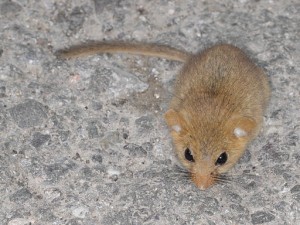
Dormice Databases
It felt fantastic to be part of such a huge project, one which helps to make a difference in conserving such a charismatic species.
Read More »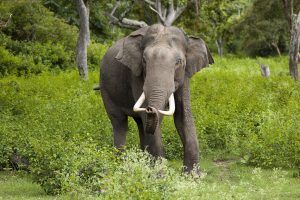
Worst Elephant Losses in 25 Years
Using population estimates from a wide range of sources, including aerial surveys and elephant dung counts, the findings show that estimates for 2015 are 93,000 lower than they were in 2006. The continental total number of elephants is now thought to be about 415,000.
Read More »


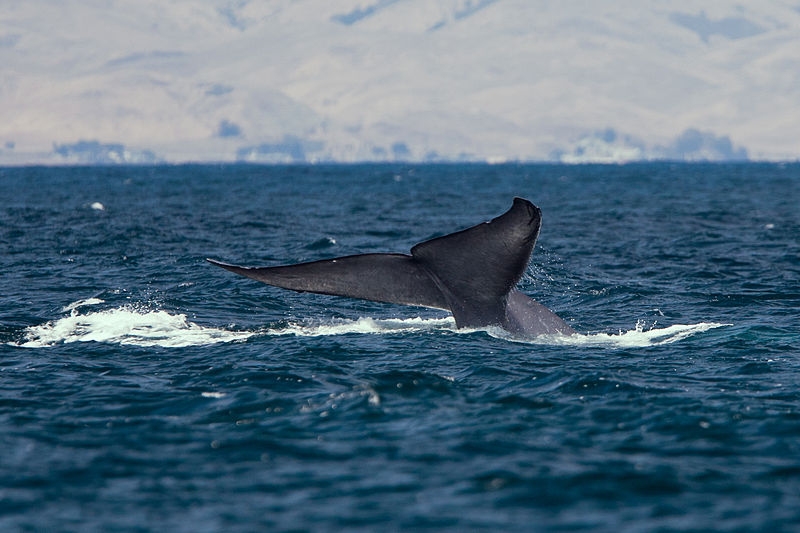
Earwax Archive Sheds New Light on the Lives of Blue Whales
Like many other baleen whales, blue whales accumulate layers of wax, lipids and keratin protein in their ear canals, which build up over time to form long earplugs.
Read More »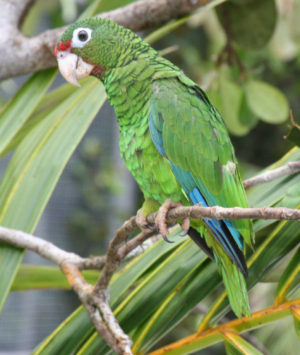
Habitat Loss Major Threat to Australian Birds
New research has found that habitat loss is a major concern for hundreds of Australian bird species, threatened as well as non-threatened, and south-eastern Australia has been the worst affected.
Read More »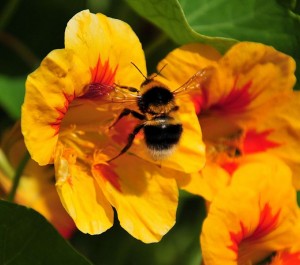
Pesticides linked to Bee Decline
Neonicotinoids are systematic pesticides, which means that they are taken up by every part of the plant, including the pollen and the nectar.
Read More »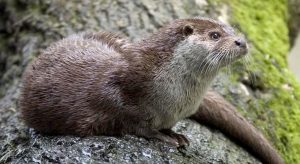
The Diet of Otters on the River Petteril
I posted last week about the dietary habits of the Otter (Lutra lutra). Well, carrying on from this, I thought that I would follow-up with the initial results from a personal study. The extract below is heavily condensed but gives an insight into the diet of otters on the River Petteril, Cumbria.
Read More »